Recognize Signs of Septic System Failure in Spartanburg, SC & Surrounding Areas
Septic systems in Spartanburg, South Carolina, along with nearby towns like Boiling Springs, Duncan, Lyman, Inman, Chesnee, and Wellford, are essential for managing household wastewater. Recognizing early signs of failure can prevent costly repairs, protect property, and maintain a healthy environment.
Why Is It Important to Identify Septic System Failure Early?
Early detection of septic system issues in Spartanburg and surrounding areas helps avoid major damage, protects groundwater, and prevents expensive emergency repairs. Timely action ensures the system continues to function safely and efficiently.
What Are Common Signs of a Failing Septic System?
Homeowners in Boiling Springs and Duncan often notice slow drains, backups, or gurgling sounds in plumbing. These are typical indicators that a septic system may be failing and requires inspection.
How Does Unpleasant Odor Indicate Septic Problems?
Foul smells around the yard, drain field, or inside the home are a key warning sign. Residents in Lyman and Inman should treat persistent odors seriously, as they may indicate leaks or a saturated drain field.
Can Standing Water or Muddy Soil Signal Septic Failure?
Yes. Excess water or soggy areas above the drain field in Chesnee or Wellford often indicate the system is not absorbing wastewater properly, which can lead to surface pooling and environmental hazards.
How Do Slow Drains and Backups Reveal Septic Issues?
Slow-draining sinks, tubs, or toilets in homes across Spartanburg and nearby towns suggest a blockage or overloaded system. Ignoring these signs can result in costly backups and plumbing damage.
Why Is Grass Growth Above the Septic Tank Important?
Unusually lush or green grass above the tank or drain field may indicate wastewater leakage. Homeowners in Boiling Springs and Lyman should monitor vegetation as an early indicator of system failure.
How Can Routine Inspections Prevent Septic System Failure?
Regular inspections by licensed professionals in Spartanburg, Duncan, and surrounding areas detect small issues before they escalate. Preventive maintenance extends the system’s life and avoids emergency repairs.
What Are the Environmental Risks of a Failing Septic System?
Failing systems can contaminate soil and groundwater with harmful bacteria and chemicals. Residents in Inman, Chesnee, and Wellford must act quickly to protect public health and the surrounding environment.
How Can Homeowners Respond to Septic Problems?
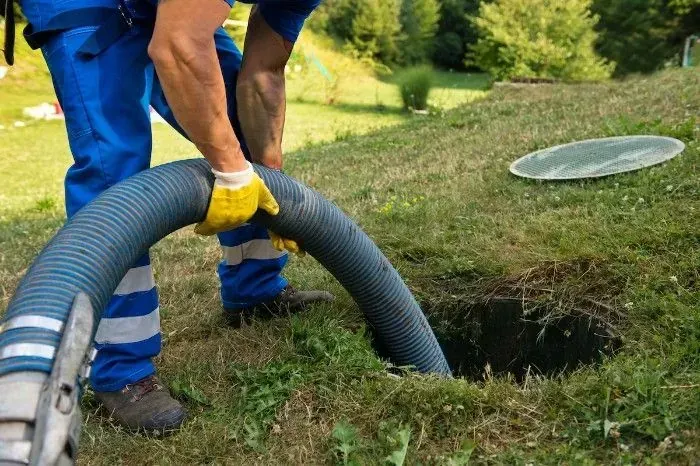
Prompt action includes scheduling inspections, pumping the tank if needed, and repairing or replacing components. Homeowners in Spartanburg and nearby towns benefit from professional guidance to restore proper function.
How Do Seasonal Changes Affect Septic System Performance?
Heavy rain, flooding, or drought conditions in Spartanburg and surrounding areas like Boiling Springs and Duncan can impact septic system performance. Seasonal changes may saturate the drain field or slow wastewater absorption, making regular monitoring essential.
Final Thoughts
Recognizing the signs of septic system failure in Spartanburg, SC & surrounding areas is essential for protecting property, health, and the environment. Timely detection and professional maintenance can prevent costly damage and ensure safe wastewater management.
How often should a septic system be inspected in Spartanburg, SC?
It’s recommended to have a septic system inspected every 2–3 years, especially in areas like Boiling Springs, Duncan, and Lyman.
How frequently should septic tanks be pumped?
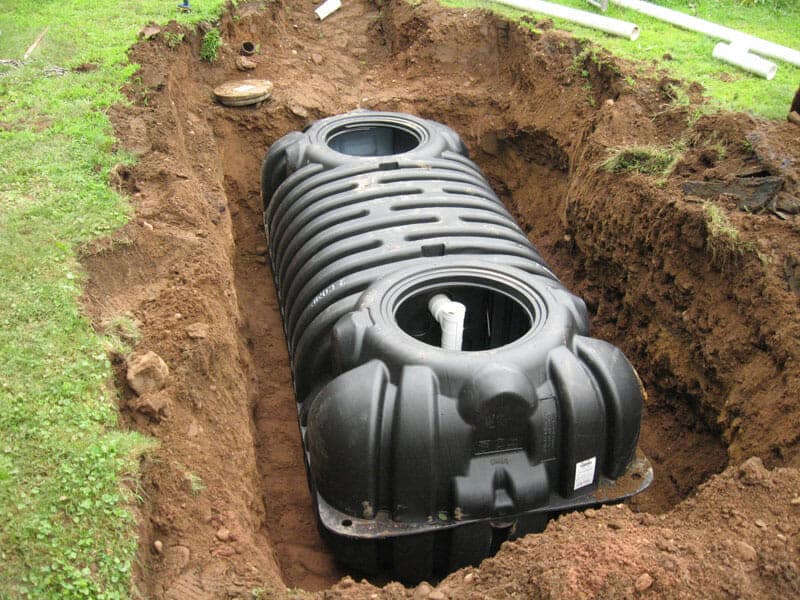
Most systems need pumping every 3–5 years, depending on household size and usage. Regular pumping prevents backups and failures.
Can tree roots damage a septic system?
Yes, roots from nearby trees in Chesnee, Wellford, and surrounding areas can infiltrate pipes or the drain field, causing blockages and leaks.
What should I do if my septic system backs up?
Stop using water immediately, avoid flushing, and contact a licensed septic professional in Spartanburg or nearby towns to address the issue safely.
Are there warning signs that require immediate attention?
Yes, persistent foul odors, surface pooling, sewage backups, and unusually lush grass above the drain field indicate urgent problems that need professional intervention.