Affordable DIY Septic Care Tips in Spartanburg, SC & Surrounding Areas
Homeowners in Spartanburg, SC and nearby areas like Boiling Springs, Duncan, Inman, Lyman, and Roebuck can cut costs and extend the life of their septic systems with simple maintenance habits. Proper DIY care helps prevent backups, expensive repairs, and health hazards while keeping your home running smoothly.
Why Is Regular Septic Inspection Important for Spartanburg Homeowners?
Regular septic inspection is essential for homeowners in Spartanburg and nearby areas like Inman and Duncan because it allows early detection of leaks, slow drains, or unusual odors before they become major issues. A simple walk around the drain field to check for soggy patches or foul smells can help identify potential problems without needing professional help instantly.
How Does Frequent Water Use Affect Your Septic System?
Frequent and excessive water use puts unnecessary strain on the septic system, especially in busy households across Boiling Springs and Lyman. When too much water enters the tank in a short period, it prevents proper waste breakdown and increases the chance of overflow or backups, making water management a crucial part of septic care.
How Can You Reduce Strain on Your Septic System?
You can reduce strain on your septic system by spreading out laundry loads, installing water-saving fixtures, and avoiding back-to-back high water usage tasks. Residents in Boiling Springs, Lyman, and other Spartanburg communities can extend their septic system’s lifespan by making simple adjustments to daily water habits.
What Household Products Should You Avoid to Protect Your Septic System?
Many household cleaning products contain harsh chemicals that harm the natural bacteria inside the tank. Homeowners in Roebuck and surrounding Spartanburg areas should stay away from bleach, chemical drain cleaners, and antibacterial soaps because they disrupt the biological balance needed for waste breakdown and instead choose septic-safe or enzyme-based alternatives.
Is DIY Bacterial Treatment Safe and Effective for Septic Maintenance?
DIY bacterial treatments can be a safe and cost-effective way to maintain septic health when used correctly. Residents in Spartanburg, Inman, and Boiling Springs often benefit from using monthly septic-safe bacterial packets that help enhance waste decomposition and support healthy bacteria levels inside the tank.
How Can You Recognize When Your Septic Tank Needs Pumping?
Recognizing the need for septic pumping is crucial to avoid emergency repairs. Slow drains, bubbling noises in pipes, sewage odors, or standing water over the drain field are warning signs that homeowners in Duncan and Lyman should not ignore because delaying pumping can lead to system failure and expensive cleanup.
What Landscaping Habits Help Protect Your Septic Drain Field?
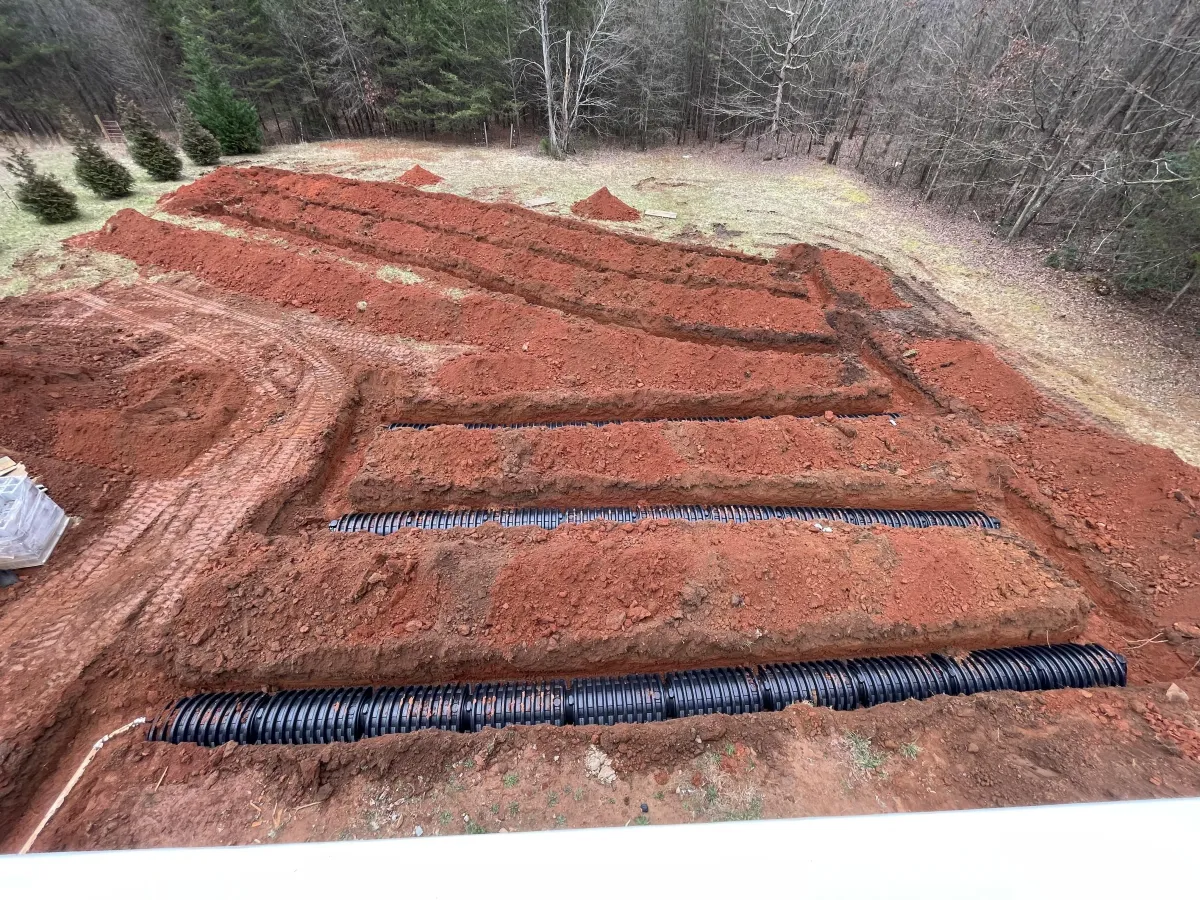
Proper landscaping choices can protect your drain field from long-term damage. Homeowners in Spartanburg and Roebuck should avoid planting trees or plants with deep roots near the septic area because roots can invade the system and crack pipes. Keeping the area covered with simple grass helps absorb moisture naturally without causing harm.
Can Simple DIY Tools Help You Monitor Septic System Health?
Affordable DIY tools such as water level gauges and enzyme treatments help residents in Duncan, Inman, and nearby Spartanburg locations monitor their septic systems without professional equipment. These tools offer early alerts and support regular maintenance efforts, helping homeowners avoid surprise septic issues.
What Daily Habits Can Extend the Life of Your Septic System?
Simple daily habits such as not flushing wipes, sanitary products, or grease down drains contribute to the long-term health of septic systems in Spartanburg and surrounding areas. Making mindful choices inside the home keeps the system running efficiently and prevents buildup that leads to blockages.
When Should Homeowners in Spartanburg Call a Professional?
While DIY care is highly effective for routine maintenance, there are situations when calling a professional is necessary. If strong sewage odors persist, drains back up frequently, or the yard shows signs of wastewater surfacing, homeowners in Spartanburg, Boiling Springs, and Duncan should schedule an inspection to prevent further damage.
Final Thought
With practical daily habits, awareness of warning signs, and affordable DIY maintenance, septic system care becomes manageable for homeowners in Spartanburg, SC, and surrounding communities. A little attention today can prevent costly septic emergencies tomorrow.
How often should a septic system be inspected in Spartanburg?
A septic system should be inspected at least once a year to detect early signs of damage or buildup, especially in high-use homes across Spartanburg, Boiling Springs, and Inman.
When is the best time to pump a septic tank?
Most homes in Duncan, Lyman, and surrounding areas should schedule pumping every 3 to 5 years, but larger households may need more frequent service.
Are septic-safe cleaning products necessary?
Yes, using septic-safe cleaners helps protect beneficial bacteria inside the tank and keeps the system functioning properly throughout Spartanburg and nearby towns.
Can heavy rain affect my septic drain field?
Heavy rainfall in areas like Roebuck and Inman can saturate the soil, reducing the drain field’s ability to filter wastewater effectively and potentially causing backups.
Is it safe to use DIY drain unclogging methods?
DIY unclogging methods using boiling water or septic-safe enzyme cleaners are suitable, but chemical drain cleaners should be avoided as they harm septic bacteria.