
Protect Your Septic System With Effective Preventive Measures in South Carolina & Surrounding Areas
Proper septic system care is essential for homeowners and businesses across South Carolina. With its varied climate, heavy rainfall, and diverse soil types, regular maintenance prevents backups, costly repairs, and environmental hazards. Residents in Charleston, Columbia, Greenville, Myrtle Beach, Spartanburg, Rock Hill, Summerville, Mount Pleasant, Florence, Hilton Head Island, and surrounding communities benefit from consistent preventive measures to ensure system longevity and safety.
Why Is Septic System Maintenance Important in South Carolina?
Septic systems in South Carolina face challenges such as high humidity, coastal storms, and heavy rainfall that can weaken system components and overload drain fields. Regular maintenance helps prevent failures, protects groundwater, and safeguards both urban and rural areas from health hazards and costly repairs.
How Does the South Carolina Climate Affect Septic Systems?
Coastal regions like Charleston, Myrtle Beach, and Hilton Head Island experience flooding and high moisture, while inland cities such as Columbia, Greenville, and Spartanburg encounter seasonal heavy rain. These climate factors can overload septic systems, making inspections and preventive care essential throughout the year.
How Often Should Septic Tanks Be Pumped or Inspected?
Most septic tanks in South Carolina require pumping every three to five years depending on household size, tank capacity, and water usage. Regular inspections in towns like Summerville, Mount Pleasant, and Florence help identify blockages, leaks, and drain field problems early, keeping systems running efficiently.
What Are the Common Signs That My Septic System Needs Immediate Attention?
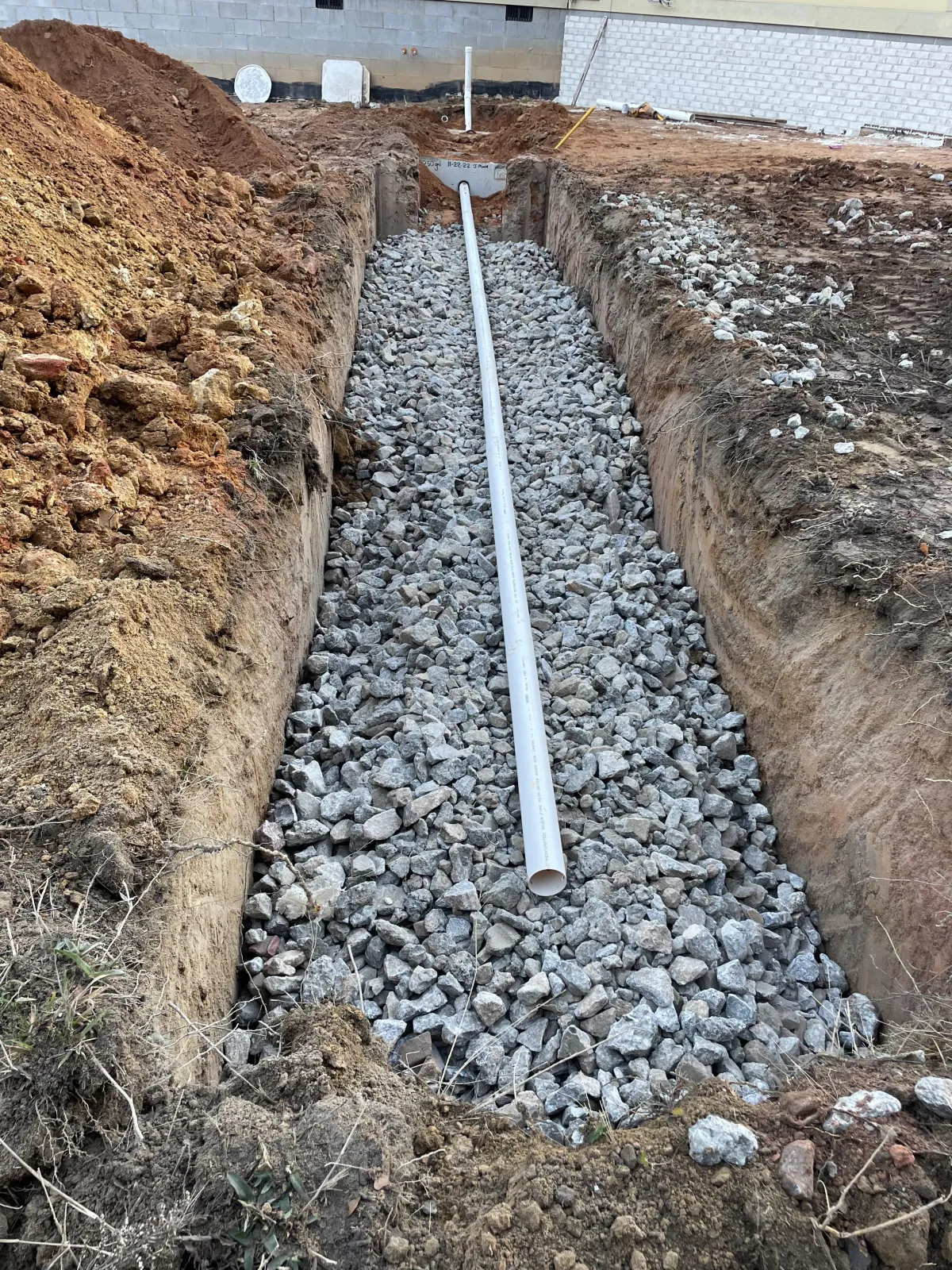
Homeowners should watch for slow drainage in sinks or toilets, noticeable sewage odors, standing water near the drain field, gurgling sounds, or unusually green patches of grass. These symptoms often indicate system overload or blockages and require prompt professional attention.
What Daily Habits Can Improve Septic Tank Performance?
Simple habits such as using water efficiently, avoiding flushing wipes, diapers, and harsh chemicals, repairing leaks immediately, and spacing out laundry loads help protect septic systems. These practices reduce unnecessary stress and maintain efficiency for residents in Columbia, Greenville, and surrounding areas.
Why Should I Hire Professional Septic Services?
Professional septic technicians provide expert inspections, pumping, repairs, and drain field evaluations. Their services ensure compliance with South Carolina regulations, identify hidden issues, and prolong system lifespan in areas like Charleston, Hilton Head Island, and Rock Hill.
How Can Homeowners Prevent Septic Emergencies Throughout the Year?
Preventing septic emergencies involves scheduling seasonal inspections, keeping heavy vehicles off drain fields, monitoring landscaping to avoid root intrusion, and avoiding excessive water usage. Tracking maintenance records in places such as Myrtle Beach, Summerville, and Florence helps homeowners stay ahead of potential problems.
How Do Soil Conditions in South Carolina Affect Septic Systems?
South Carolina soils range from sandy coastal areas to clay-heavy inland regions. Sandy soils drain quickly while clay soils retain water and can cause saturation. Understanding local soil characteristics in towns like Mount Pleasant, Spartanburg, and Aiken helps determine proper maintenance schedules and filtration strategies.
Final Thoughts
Maintaining a septic system in South Carolina requires regular preventive care, mindful water use, and professional inspections. With diverse soil types and heavy rainfall across coastal and inland regions, consistent maintenance ensures long-term system functionality, protects your property, and supports a cleaner, safer environment for your community.
How do I know when my septic tank needs pumping?
If you notice slow drainage, foul odors, or standing water near the drain field, it may be time for pumping.
Can heavy rain damage my septic system?
Yes, flooding in coastal areas like Charleston and Hilton Head Island can saturate the drain field and affect system performance.
What should never be flushed into a septic system?
Avoid flushing wipes, diapers, grease, chemicals, and medications as they can clog or harm the system.
How much does a professional septic inspection cost in South Carolina?
Inspections typically range from $150 to $300 depending on location and tank size, including towns like Greenville or Myrtle Beach.
How can I protect my septic system during rainy or winter seasons?
Schedule inspections before heavy rains, avoid overloading the system with water, and keep vehicles off the drain field to prevent compaction.