Signs Your Septic Tank Needs Pumping in Landrum, SC, and Surrounding Foothills Area
For homeowners across Landrum, SC, and the surrounding foothills communities like Inman, Campobello, and Tryon (NC), recognizing the early signs that your septic tank is full is the single most important maintenance task. A full tank is not just an inconvenience; it means the critical solid waste layer is about to overflow and irreversibly clog your drain field, leading to expensive repairs. Whether you’re dealing with the slow-draining bath water in your Spartanburg County home or noticing that distinct, unpleasant sewage odor near your backyard, these symptoms are your system’s urgent call for a professional pumping. Regular vigilance ensures the longevity of your septic system, protects your property value, and prevents an unsanitary backup in your home.
What Are the Most Obvious Warning Signs Inside Your Landrum Home?
The most critical sign that your septic tank is overdue for pumping is a noticeable sewage odor inside your home. This smell, often described as rotten eggs or stagnant water, usually emanates from your drains or sinks and is caused by gases backing up from the full tank. Homeowners in Landrum should also watch for slow-draining fixtures. If toilets, sinks, or bathtubs are draining sluggishly across your property—a common issue when the system is strained—it indicates that the liquid effluent can no longer pass easily from the tank to the drain field, meaning the tank is nearing its solid capacity.
How Can Your Yard Indicate a Septic Problem in Spartanburg County?
A failing or full septic system will often manifest as distinct patches in your yard, particularly near the drain field. If you notice unusually green, lush, or spongy grass in specific areas, it suggests that liquid effluent is leaking or rising too close to the surface. This liquid is nutrient-rich but unsanitary and occurs when the solids from an overfull tank clog the drain field, forcing the liquid upward. For homes in Spartanburg County, this surface saturation is a clear sign that you need immediate pumping to prevent environmental contamination and expensive drain field damage.
Does the Presence of Standing Water Always Mean My Septic Tank is Full?
Not always, but standing water is a serious indicator of a system failure, especially around the drain field. Persistent puddles or soggy spots in your yard, particularly after a long period without rain, indicate that the soil is oversaturated and can no longer absorb the wastewater. This usually means the drain field itself is clogged with solids from an unpumped tank. Whether you're in Inman or closer to Campobello, this issue requires professional attention immediately to prevent a full-system backup.
How Does Garbage Disposal Use Affect Pumping Frequency?
Homeowners often use garbage disposals heavily, but this significantly decreases the time between septic pumpings. Food waste does not break down as quickly as human waste, adding a high volume of solids to the tank's sludge layer. If you use a disposal regularly—a common practice in many Spartanburg homes—you should plan to have your septic tank pumped closer to the two-to-three-year mark, rather than the standard three-to-five years, to prevent premature drain field failure.
What is the Recommended Pumping Schedule for the Foothills Area?
For a typical family of four living in the foothills near Landrum or Tryon (NC), the general recommendation is to have the septic tank pumped every three to five years. However, this schedule depends heavily on your specific tank size and water habits. For instance, smaller tanks or households with more residents may need service closer to every two years. Keeping a record of your pumping dates is the easiest way to ensure you never overlook this crucial maintenance.
Can Backups in Your Plumbing System Be Caused by a Full Septic Tank?
Yes, a sewage backup is the most dramatic and alarming sign that your septic system has reached a critical point. When the scum and sludge layers in your tank have built up so much that they block the outlet pipe to the drain field, the wastewater has nowhere to go but back toward the house. If you experience raw sewage backing up into your toilets or basement—a messy and unsanitary emergency in any home, from Campobello to Inman—you need emergency pumping immediately.
Why is a Pumping Schedule More Critical in Clay-Rich Spartanburg Soil?
The effectiveness of a septic system relies on the soil's ability to absorb water. The Spartanburg region is known for its dense, clay-rich soil, which is naturally less permeable than sandy soil. When the septic tank is overfull, the excess solids quickly clog the limited pores in the clay soil of the drain field. Because the natural drainage process is already slower here, neglecting pumping accelerates failure, making regular maintenance particularly critical for properties across the entire county.
Final Thoughts
Your septic system is a vital, unseen component of your home's infrastructure in Landrum and the beautiful surrounding areas. Paying attention to simple signs—like a sluggish toilet, an unusual odor, or soggy patches of grass—is the best defense against a costly system failure. When in doubt, scheduling a simple, routine pumping with a local professional is the easiest and most cost-effective way to protect your property value and ensure the long-term health of your septic system.
Does a professional inspection check the drain field's condition?
Yes, a thorough professional septic inspection in Spartanburg County involves more than just checking the tank level. Inspectors will probe the drain field to check for signs of trench saturation or standing water, which indicates the field is failing due to clogging from solids. They will also inspect the distribution box to ensure wastewater is being properly and evenly dispersed across the field.
Can I use antibacterial soap and cleaners with my septic system?
Homeowners around Landrum should limit their use of strong antibacterial soaps, bleaches, and drain cleaners. While using them occasionally won't destroy your system, regular use can significantly reduce the population of beneficial bacteria in the tank. These bacteria are essential for breaking down the solids and converting them into liquid effluent, protecting the drain field's lifespan.
How do I locate my septic tank lid on my property in Inman?
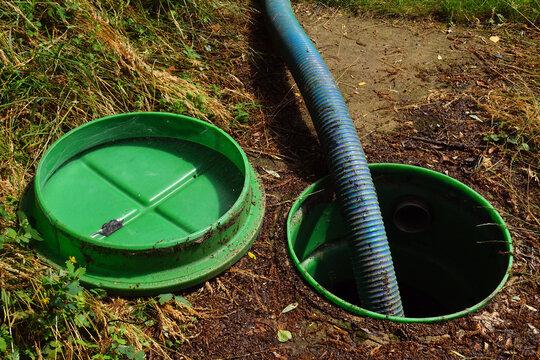
If you don't have a map of your property, you can usually locate the septic tank lid by measuring from where the main sewer pipe exits your house (typically in the basement or crawl space). The tank is usually within 10 to 25 feet of the house and directly in line with the main sewer pipe. The access lids are typically concrete or plastic circles. If you can't find it, a professional technician has tools to electronically pinpoint the exact location.
What should I do if my septic alarm light turns on?
If your septic alarm light comes on in your Campobello home, it means the water level in your pump chamber is too high, signaling that your tank or pump is failing to move liquid effluent out to the drain field. This is considered an emergency—reduce water use immediately (stop laundry, limit flushes) and call a technician to prevent an imminent and massive sewage backup.
Are there different pumping requirements for aerobic vs. conventional tanks?
Yes, homeowners in the foothills area with advanced aerobic systems typically require more frequent servicing than those with conventional tanks. Aerobic systems use an oxygen pump to accelerate breakdown, but their internal filters and compartments often need to be inspected and pumped annually or every 1-2 years, compared to the 3-5 year cycle for conventional tanks.