Septic Tank Systems: A Comprehensive Guide for Spartanburg, SC, and Surrounding Areas
Inman homeowners facing slow drains or foul odors know that a failing septic system can threaten property value, water quality, and peace of mind. Expert septic repair services in Inman, SC, and nearby communities including Greenville, Spartanburg, Greer, Gaffney, Boiling Springs, Chesnee, Clifton, Duncan, Landrum, and Wellford, combine local soil expertise, South Carolina regulations, and advanced diagnostics to restore system function quickly. This guide covers the essentials of repair work, common problems and fixes, emergency response, maintenance schedules, and cost transparency so homeowners across Inman and surrounding South Carolina towns can protect their home’s health and longevity.
How does a septic tank system work?
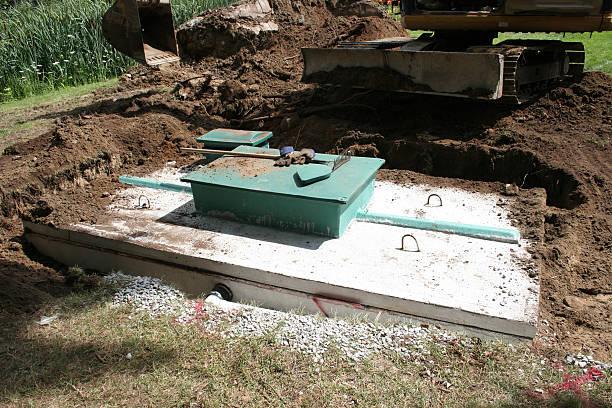
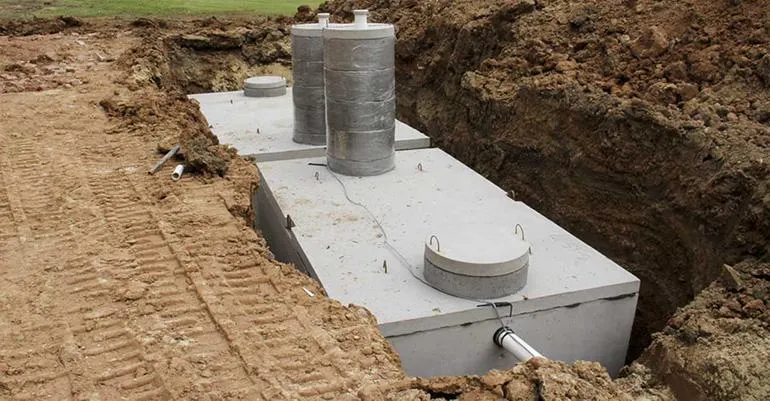
A septic tank system consists of three main parts: the septic tank, the drain field, and the network of pipes that connect them. Wastewater from your home flows into the septic tank, a watertight container buried underground. Here, the water separates into three layers: a top layer of scum (oils and grease), a middle layer of liquid effluent, and a bottom layer of sludge (solids). The scum and sludge are naturally broken down by bacteria in the tank. The treated liquid effluent then flows out into the drain field, where it is dispersed into the soil for final filtration and purification.
What are the different types of septic systems?
While the conventional septic tank and drain field system is the most common, other types are used based on soil conditions and property size. Conventional systems are ideal for properties with permeable soil. In areas with dense clay or shallow bedrock, more advanced systems are needed. These may include mound systems, which are built above the ground with a specially engineered fill material, or aerobic systems, which use a pump to actively add oxygen to the tank, accelerating the breakdown of waste. The type of system on your property in Spartanburg depends on the specific characteristics of your land.
What are the main signs of a septic system problem?
Recognizing the signs of a failing septic system is the first step to preventing a costly repair or replacement. Common indicators include slow drains in your sinks, bathtubs, or toilets, as well as a foul odor of sewage inside or outside your home. You might also notice unusually green or soggy patches of grass on your lawn, especially near the drain field, which can indicate that liquid effluent is rising to the surface. Any of these signs should prompt you to call a professional for an inspection.
How often should a septic tank be pumped?
The frequency of septic tank pumping depends on several factors, including the size of your household, the tank's capacity, and your overall water usage. As a general rule, most septic tanks in the Spartanburg area should be pumped every three to five years. Pumping removes the built-up scum and sludge, preventing it from overflowing into the drain field, which can lead to a system failure. For larger households or those with smaller tanks, more frequent pumping may be necessary.
Why is routine maintenance so important for a septic system?
Routine maintenance, including regular pumping and inspections, is crucial for the long-term health of your septic system. Neglecting maintenance can lead to a buildup of solids that clog the drain field, causing a system backup and potential environmental contamination. Proper maintenance not only extends the life of your system but also saves you money by preventing major repairs or premature replacement, which can cost thousands of dollars.
How does Spartanburg's soil and climate affect septic systems?
The soil and climate in the Spartanburg area, like much of the South Carolina Upstate, can present challenges for septic systems. The region's clay-rich soil can be less porous than other soil types, which can slow down the rate at which wastewater is absorbed by the drain field. Additionally, periods of heavy rain can saturate the soil, further reducing its absorption capacity. Understanding these local conditions is why a certified local professional is essential for both installation and maintenance.
What are the best practices for septic tank care?
Maintaining a healthy septic system is a group effort for the whole family. The most important practice is to conserve water to reduce the hydraulic load on the system. You should also be mindful of what goes down your drains; avoid flushing anything other than human waste and toilet paper. This includes things like paper towels, feminine hygiene products, and "flushable" wipes. You should also avoid pouring grease or chemical cleaners down the drain, as they can harm the beneficial bacteria in the tank.
What should I do if I suspect a septic system problem?
If you notice any of the signs of a septic system problem, the first and most important step is to contact a licensed professional. Do not ignore the symptoms, as they will only get worse and become more expensive to fix. A professional will perform a thorough inspection, diagnose the issue, and recommend the most effective and compliant solution, whether it's a simple pumping or a more extensive repair.
Final Thoughts
A septic system is a critical, yet often unseen, part of your home in Spartanburg and the surrounding communities. By understanding its basic function and following a simple maintenance plan, you can ensure its longevity and reliability. Investing in regular professional care is the smartest way to protect your property, your family's health, and the environment for years to come.
What is the average cost of septic tank pumping in Spartanburg, SC?
The average cost for septic tank pumping in Spartanburg and the surrounding area typically ranges from $350 to $460. However, the final price can vary based on several factors, including the size of your tank, its accessibility, and the amount of waste it contains. It's always a good idea to get a transparent, itemized quote from a licensed professional.
How long does a septic tank pumping service take?
A standard septic tank pumping service for a typical residential system usually takes about 1 to 2 hours. The technician will locate and uncover the tank's lid, connect a vacuum hose to a pumper truck, and remove the contents. During this time, they may also perform a brief visual inspection of the tank's baffles and components to check for any obvious issues.
Can I use a garbage disposal with a septic system?
While you can use a garbage disposal with a septic system, it is not recommended. Garbage disposals introduce a large amount of solids, grease, and fats into the tank, which can cause it to fill up much faster. This will require more frequent pumping and can potentially lead to clogs in the drain field. It's best to scrape food waste into the trash instead to maintain your system's health.
What should I avoid flushing or putting down my drains?
To protect your septic system, you should avoid flushing anything other than human waste and toilet paper. Never flush items like "flushable" wipes, paper towels, feminine hygiene products, or cat litter. Additionally, you should be careful about what you pour down the drain, avoiding grease, fats, oils, harsh chemicals, and excess food waste, as these can disrupt the bacterial balance in the tank and lead to clogs.
How do I find a reliable septic professional in the Spartanburg area?
When searching for a septic professional in Spartanburg, look for a company that is licensed, insured, and has a strong reputation. Check online reviews and ask for references. A reputable company will provide a detailed quote before beginning any work, explain the process, and answer any questions you have. They should also be familiar with local regulations and have the right equipment for your specific type of system.